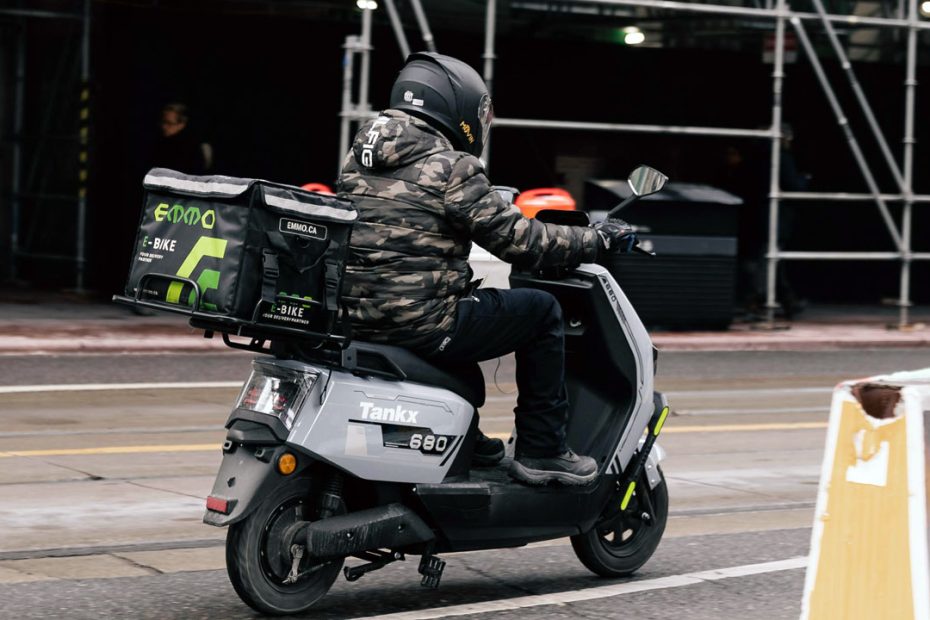
Choosing between visiting a pizzeria and ordering delivery might seem like a simple everyday preference, but in reality it reflects larger shifts in how people experience food, convenience, and social interaction. In recent years, the rise of delivery platforms, changes in urban lifestyles, and new consumer expectations have transformed what used to be a casual choice into a small but telling insight about how families, professionals, and even small businesses allocate their time.
The Convenience Economy and the Appeal of Staying In
For many people, delivery has become the default option. It fits seamlessly into busy schedules, whether someone is working late, managing family routines, or simply trying to minimize unnecessary trips across town. Technology has amplified this shift: a few taps on a phone now replace the entire process of driving, parking, ordering, and waiting. In that sense, choosing delivery is less about food and more about time management. It reflects a preference for efficiency, predictability, and the ease of staying in familiar surroundings.
The Social Value of Dining Out
Yet the appeal of visiting a pizzeria remains strong. Restaurants offer something delivery cannot: atmosphere. The act of going out – watching the kitchen at work, talking with friends around a table, taking a break from digital distractions – becomes part of the experience. For many families, dining out is not just about getting a meal but about creating a moment together. Even small details such as freshly baked bread, the scent of the oven, or a casual conversation with staff add character to the visit. These are elements that shape loyalty and build lasting customer relationships, something many restaurants rely on in a competitive market.
Cost, Perception, and the Influence of Brand Positioning
The financial side of the decision is not always straightforward. Delivery fees and rising service charges can make ordering in unexpectedly expensive, even when the restaurant itself is reasonably priced. At the same time, dining at a premium pizzeria may cost more once beverages and add-ons are included. Consumers increasingly make decisions not only based on price but on perceived value – whether they believe the experience justifies the cost. This is why many local pizzerias invest heavily in branding, ambience, and quality ingredients: a strong identity can shift the decision toward dine-in even when delivery appears more economical.
Quality, Consistency, and Expectations
Quality remains the variable that influences nearly every dining choice. For some restaurants, pizza travels well and arrives with almost the same freshness as in-house dining. For others, the difference is noticeable, affecting customer preferences over time. Consumers generally understand that quality varies widely among establishments, and many base their decisions on prior experiences rather than general rules. In this sense, choosing delivery or dine-in becomes a reflection of trust in a particular brand – trust that the experience will be satisfying regardless of the setting.
Conclusion: Two Options, One Underlying Insight
In the end, deciding between a pizzeria visit and pizza delivery is less about choosing a meal and more about choosing a moment. Both options serve different needs: convenience, connection, routine, or simple enjoyment. What matters most is recognizing how these small decisions echo larger patterns in how people live and interact today. Whether enjoyed at a lively table or delivered quietly to the doorstep, the pizza remains the same – but the experience around it continues to evolve with the rhythms of modern life.
References, Experts, Sources
dostavka-lviv.pp.ua – Доставка у Львові – Де замовити доставку продуктів та товарів до дверей – довідник послуг, сервісів та служб Львівщини